GOOD BROTHERS AC · HVAC GUIDES
10 simple ways to reduce HVAC energy costs
Practical considerations for HVAC energy use, including filter care, thermostat settings and airflow.
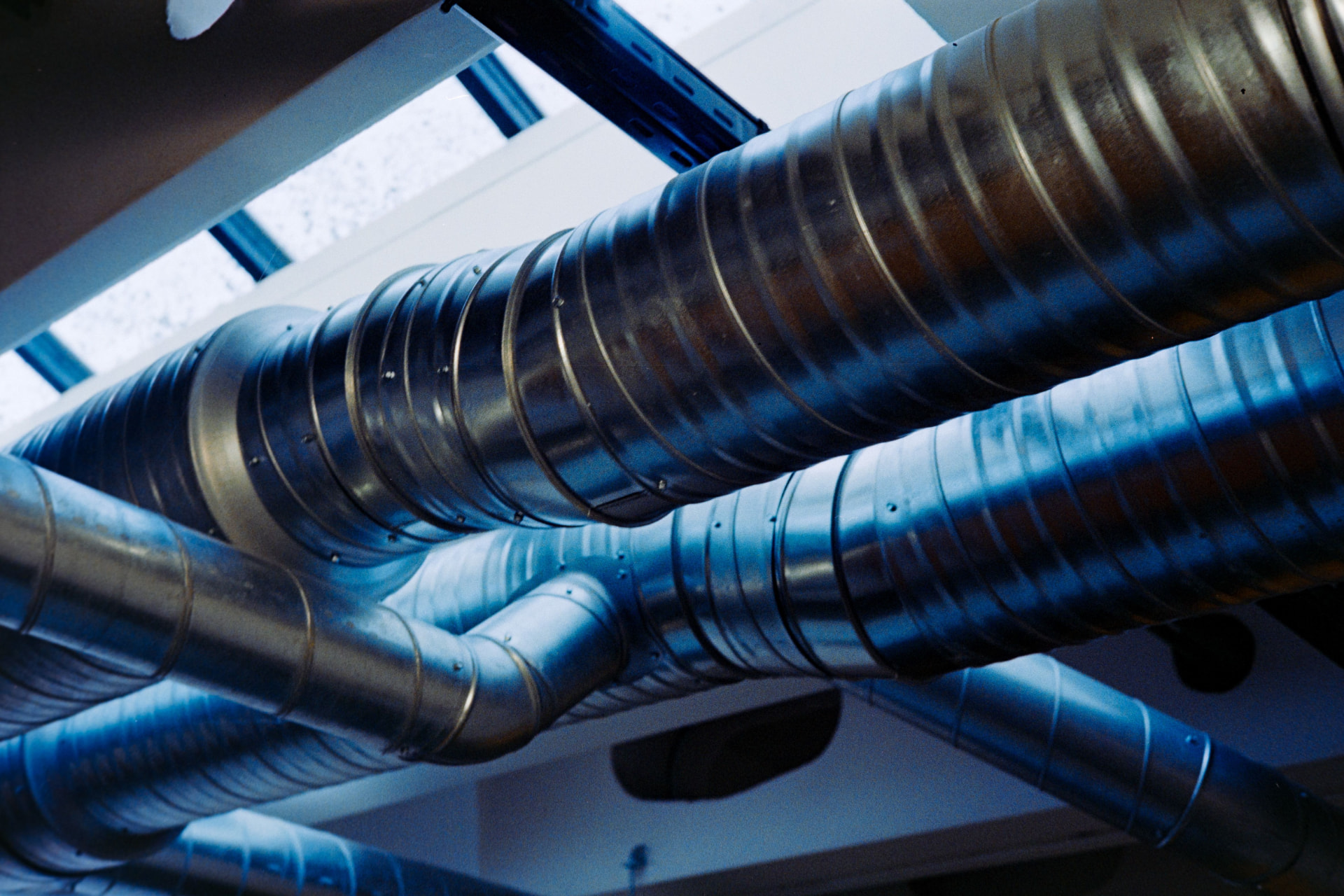
Reduce avoidable system strain
Heating and cooling energy use depends on weather, the home, equipment, and daily habits. Small changes can reduce unnecessary demand, but their effect varies. Start with comfort and safe operation rather than chasing a promised percentage on a bill. These ten measures focus on things a homeowner can observe or manage without internal equipment work.
1. Check the filter
Inspect and replace filters according to equipment and filter guidance. A dirty filter can restrict airflow, while an unsuitable replacement can also create resistance. Match the specified size and appropriate rating. If you are unsure what the system accepts, ask before choosing a more restrictive product.
2. Keep airflow paths clear
Move furniture, curtains, and stored items away from supply and return vents. Closing many vents to save energy can upset airflow rather than help. Persistent room differences deserve an assessment; do not assume blocking other rooms is the solution.
3. Use reasonable thermostat settings
Choose settings that support comfort without extreme swings. Turning the thermostat far below the desired cooling temperature usually does not cool a home faster. Avoid constant adjustments that make it difficult to understand the system's normal behavior or the household's actual comfort needs.
4. Match schedules to occupancy
Use compatible thermostat scheduling when it suits the household and equipment. Heat pumps may need different setback habits from other systems, especially when recovery engages supplemental heat. Follow equipment guidance and consider vulnerable occupants, pets, humidity, and freezing risks before changing settings during an absence.
5. Manage direct sunlight
Close suitable blinds or shades on sunny windows when unwanted heat enters the home. Let daylight in where it does not add excessive heat. Keep coverings away from vents and avoid obscuring thermostats, which need to sense the room rather than a trapped pocket of warm air.
6. Address obvious air leaks
Look for drafts around doors and windows and consider appropriate weatherstripping or sealing. Do not block intentional ventilation or combustion-air openings. More extensive air sealing should consider moisture and ventilation needs, especially in homes with fuel-burning appliances.
7. Use fans thoughtfully
A room fan can improve how comfortable people feel without changing the air temperature. Turn it off in an empty room unless it serves another purpose. Use bathroom and kitchen exhaust as needed for moisture and cooking, remembering that prolonged exhaust also removes conditioned air.
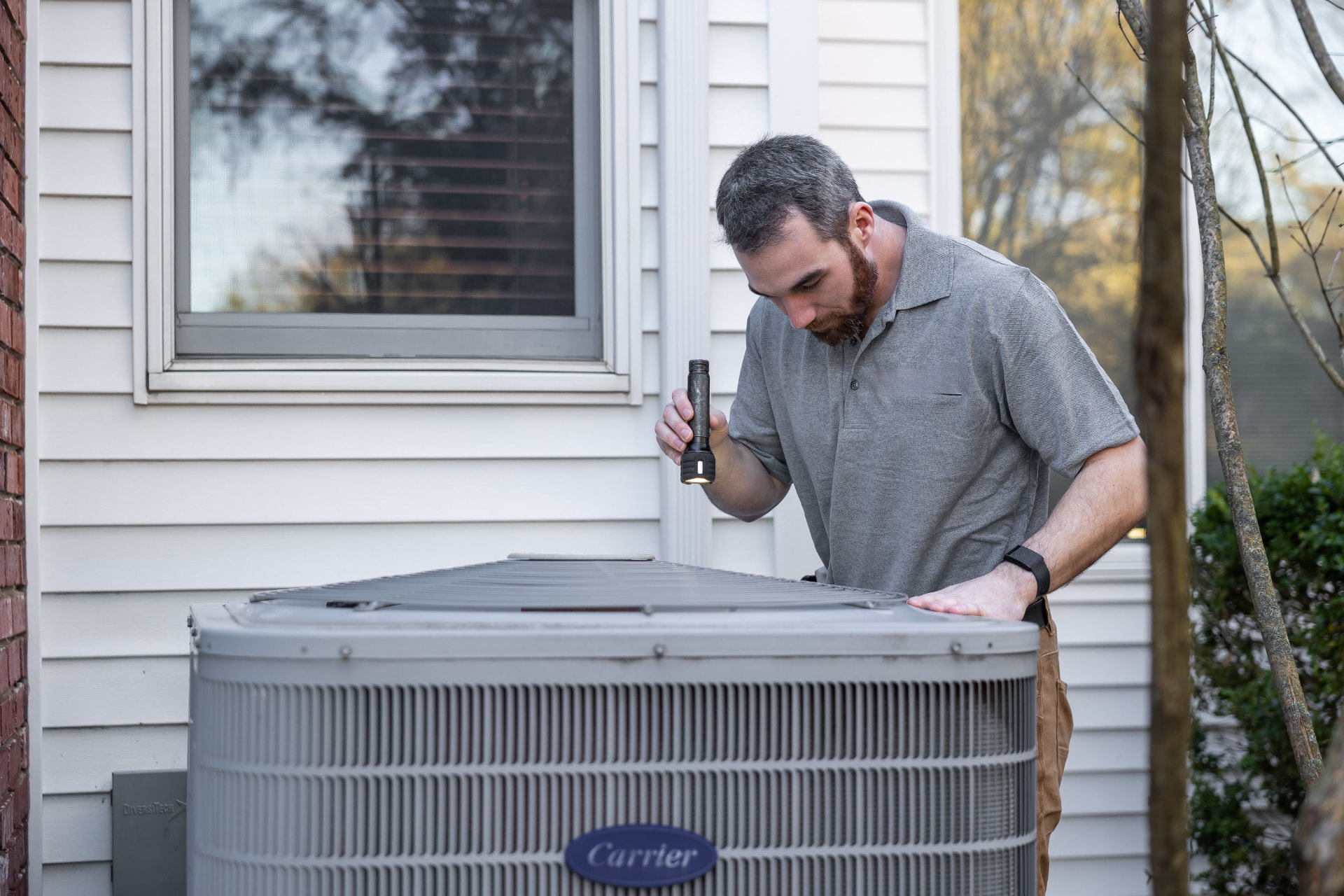
8. Keep outdoor space unobstructed
Keep loose objects and vegetation from crowding outdoor equipment, following the manufacturer's clearance requirements. Do not cover an operating unit or wash internal components without guidance. If debris is inside the equipment, leave removal that requires panel access to a professional.
9. Plan appropriate maintenance
Discuss a preventive schedule suited to the system and its usage. Changes in airflow, noise, or runtime may warrant attention between visits. Maintenance can support proper operation, but it does not guarantee a specific energy reduction or eliminate every future repair.
10. Review the whole-home pattern
Compare energy use across similar weather and occupancy conditions, not isolated bills. Consider insulation, ducts, moisture, and room comfort alongside equipment. If demand changes unexpectedly, collect observations and discuss them through the contact page. An assessment can help prioritize practical improvements without assuming replacement is necessary.