GOOD BROTHERS AC · HVAC GUIDES
How often should you service your HVAC system?
Explore the factors that shape a maintenance schedule, including equipment guidance and operating conditions.
Start with your equipment's guidance
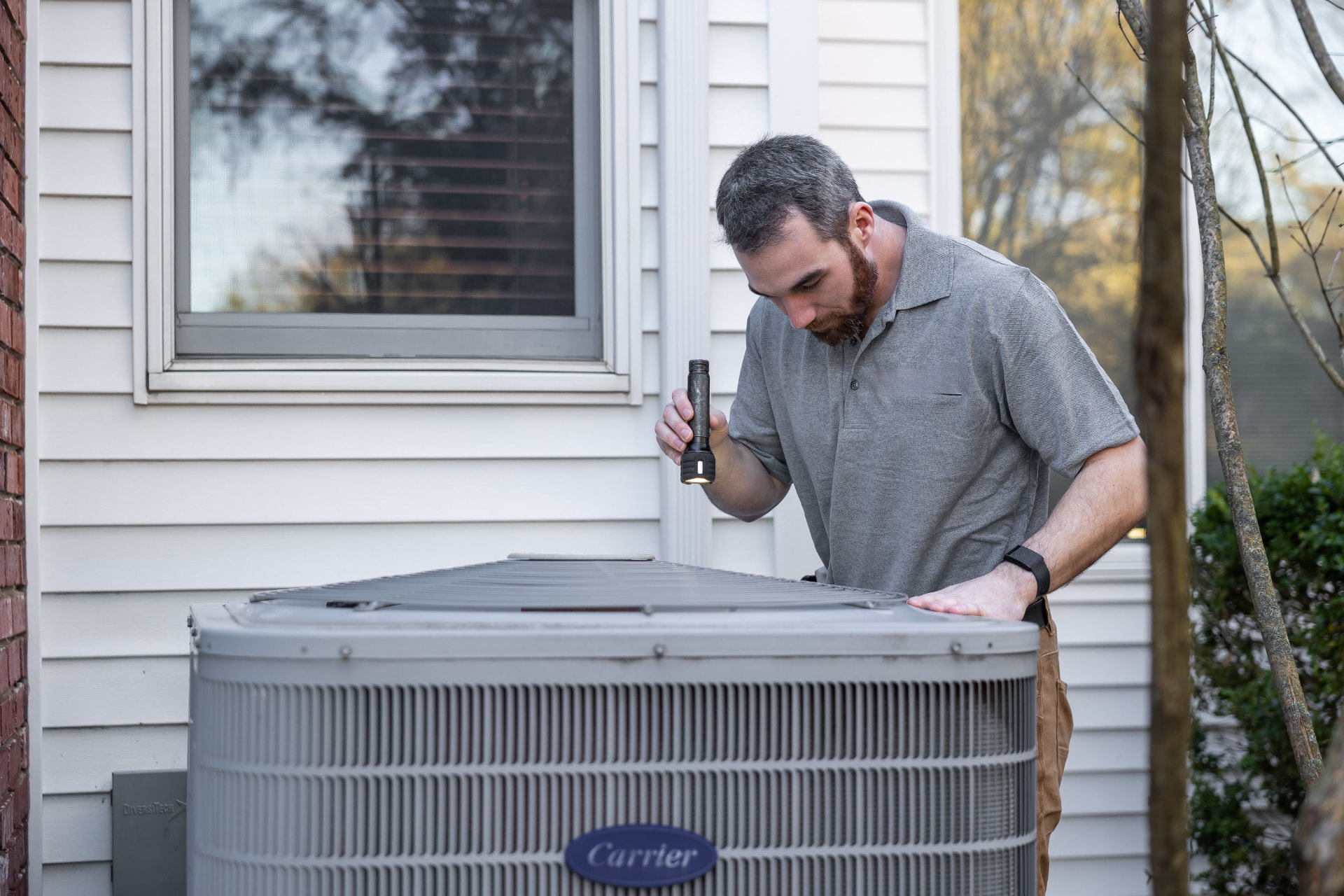
There is no single maintenance calendar that fits every home. A system used heavily through long heating and cooling seasons faces different demands from equipment that operates occasionally. Its design, age, surroundings, and maintenance history also matter. Begin with the owner's manual and manufacturer guidance rather than assuming another household's schedule is right for yours.
Professional preventive maintenance and homeowner checks have different purposes. A visit can assess operation and identify service needs, while routine observation helps you notice changes between visits. Neither makes equipment immune to future problems. Ask which tasks apply to your system and which should only be performed by a qualified professional.
Prepare before the busy seasons
A useful planning approach is to review cooling equipment before sustained warm weather and heating equipment before sustained cold weather. A heat pump serves both functions, so its schedule should reflect both seasons. If you have separate heating and cooling appliances, confirm the needs of each rather than treating them as one machine.
Preparation is not a promise that a visit is available on a particular date. Plan ahead and discuss the timing appropriate to the equipment. If a system has been unused for months, mention that history. Unusual operation at the first startup is a reason to investigate rather than waiting for a scheduled seasonal check.
Let conditions influence the interval
Heavy use, airborne dust, pets, renovations, and outdoor debris can change how quickly filters or equipment need attention. A home with several of these conditions may need more frequent checks than a lightly occupied home. Revisit the plan when household use changes instead of keeping an old schedule automatically.
If equipment is covered by a warranty, read its maintenance requirements and retain relevant records. Warranty terms differ, and a routine visit does not automatically satisfy every condition. The manufacturer or warranty provider can clarify the applicable requirements; do not assume coverage from the system's age alone.
Check filters between visits
Inspect the filter at the interval recommended for your equipment and filter type. Replacement timing depends on actual condition and instructions, not just the date printed on a reminder. Use the specified size and suitable filter rating. A more restrictive filter is not necessarily better for every system.
- Keep a simple record of inspections and filter changes.
- Look for blocked supply or return vents in occupied rooms.
- Keep the area around outdoor equipment free of loose clutter, without opening panels.
- Note changes in noise, odors, airflow, and room comfort.
Symptoms take priority over the calendar
A planned service date is not a reason to keep using equipment that is behaving abnormally. New mechanical noise, repeated shutdowns, water near equipment, or a burning odor warrants attention sooner. Avoid repeated resets and leave internal electrical, refrigerant, or combustion work to a professional.
For suspected gas leaks, carbon-monoxide alarms, smoke, or other immediate hazards, leave the area and contact emergency services or the gas utility from a safe location. For routine maintenance planning, bring the equipment information and your observations to a discussion through the contact page. The goal is a schedule matched to your home, not a universal rule.