GOOD BROTHERS AC · HVAC GUIDES
Furnace warning signs you should never ignore
Unusual smells, sounds or repeated shutdowns deserve attention. Learn what to observe and when to seek help.

Separate comfort concerns from hazards
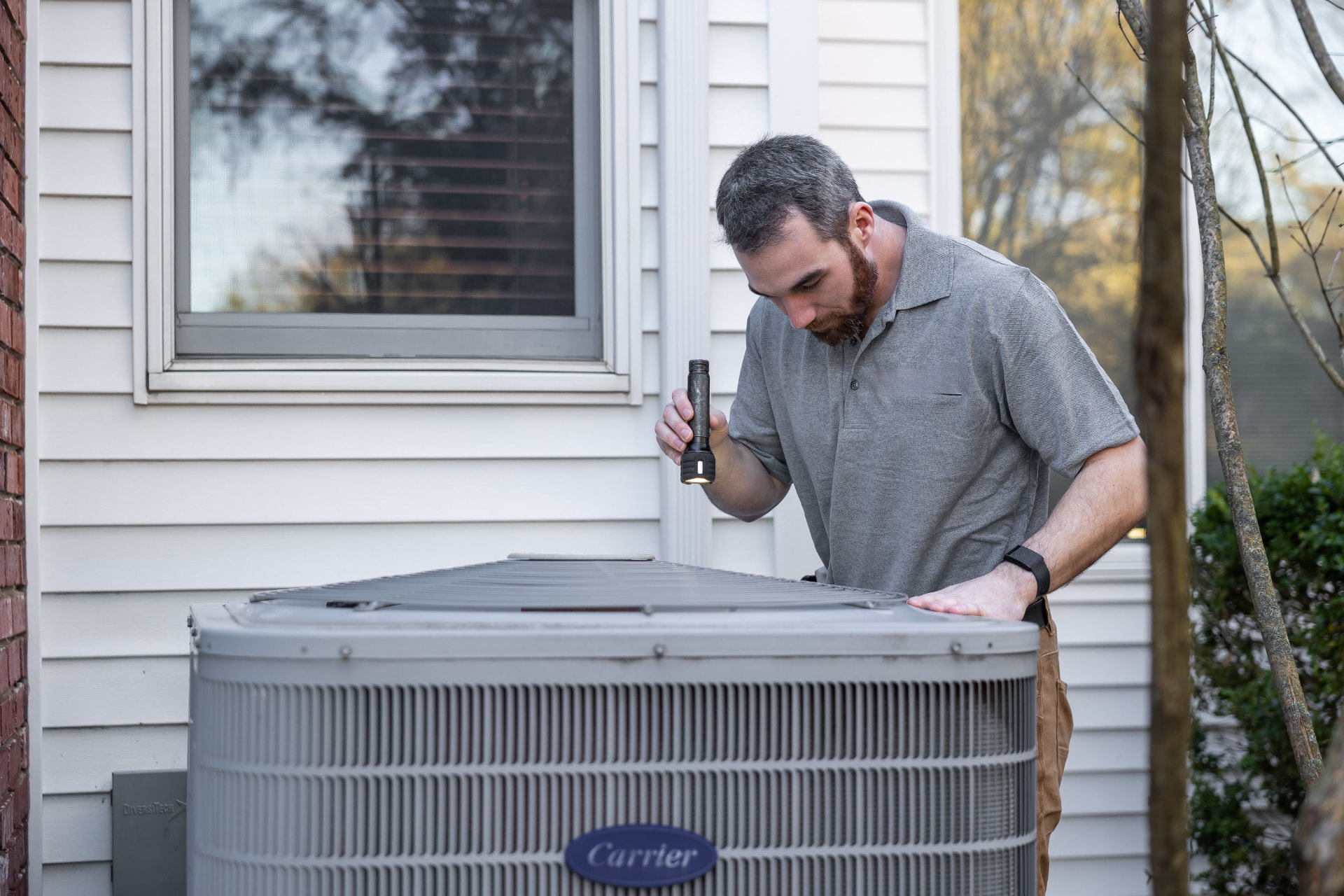
A furnace can change its behavior for several reasons, and a symptom does not tell you which part is responsible. Paying attention to operation, airflow, sounds, odors, and cycling can help you describe the concern clearly. It does not require opening the appliance or adjusting combustion equipment.
Safety comes before troubleshooting. If you suspect a gas leak, smell gas, or hear a carbon-monoxide alarm, leave the area immediately. Contact emergency services or the gas utility from a safe location. Do not wait for a website form response, try to find the leak, or restart the furnace. Avoid operating switches or using a phone within the suspected leak area.
Notice changes in heating operation
A system that no longer reaches the usual room temperature, stops unexpectedly, or needs repeated restarts deserves attention. First note the thermostat mode and setting without opening the appliance. Write down any displayed error message rather than clearing it repeatedly; that information may help an assessment.
Cold weather can increase runtime, so compare the change with similar conditions. A single long cycle is different from a persistent failure to heat. If the system will not operate normally, arrange an evaluation instead of repeatedly resetting breakers or attempting to bypass a safety control.
Watch airflow and room comfort
Weak airflow, newly uneven temperatures, or vents that barely move air may indicate a problem somewhere in the system. Check accessible filters using the manufacturer's instructions and keep supply and return openings clear. Use a suitable replacement filter, not simply the most restrictive option available.
If simple checks do not explain the change, leave internal investigation to a professional. Duct conditions, controls, and equipment can all affect airflow. Blocking vents in warmer rooms may create additional strain and does not establish the cause of the original imbalance.
Listen for unfamiliar sounds
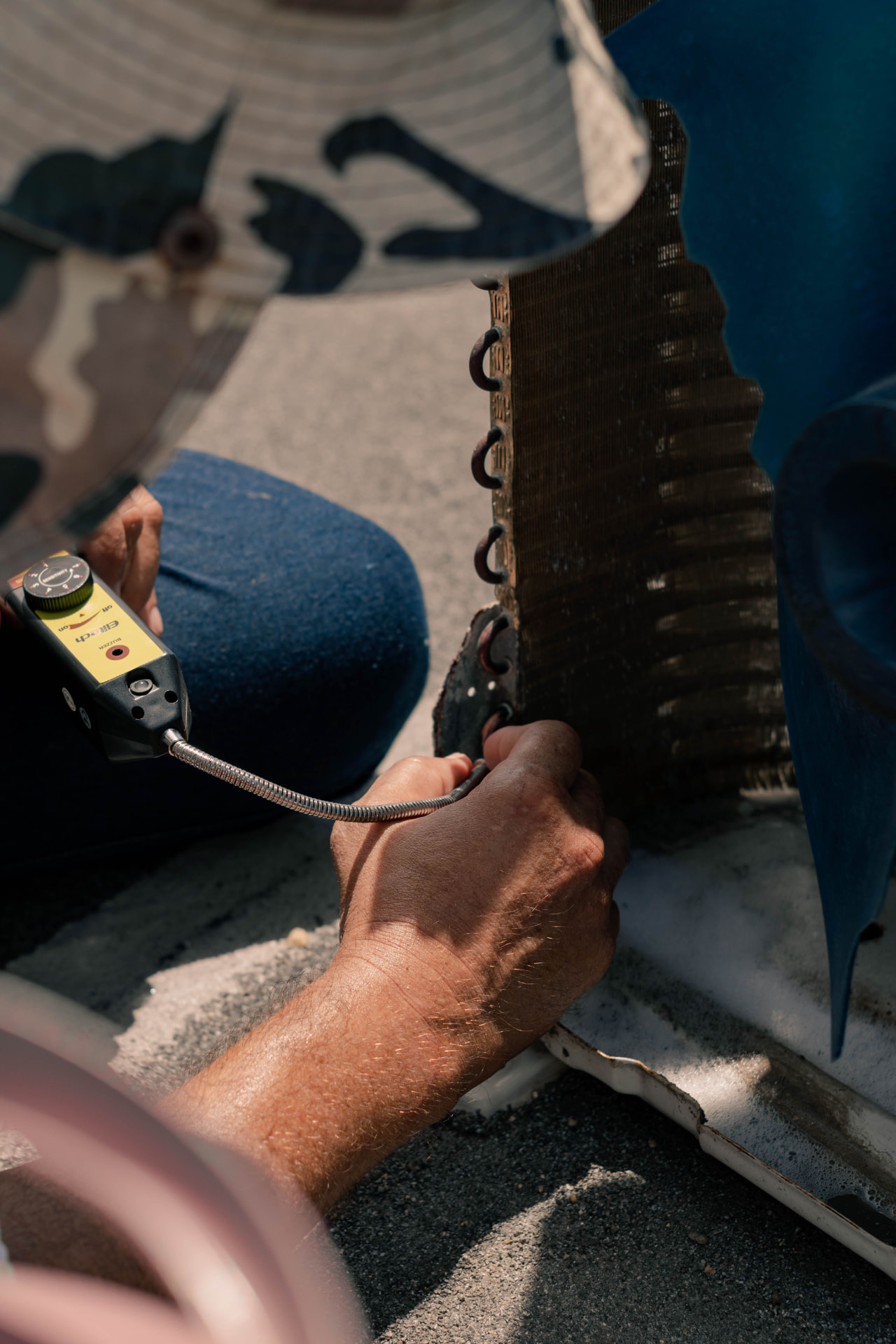
A familiar operating sound is not the same as a new bang, grinding noise, screech, or repeated clicking without normal operation. Record when the sound occurs: at startup, during heating, or when the blower stops. A brief recording made from a safe distance can be useful.
Do not reach into the equipment to locate a noise. A loud or alarming mechanical sound is a reason to stop operation if safe and request an assessment. If noise is accompanied by smoke or an immediate hazard, leave and contact emergency services from a safe location.
Treat odors with appropriate caution
An odor after a period of non-use should not automatically be dismissed as harmless. Persistent or strong burning odors, smoke, or a gas-like smell need a cautious response. A carbon-monoxide hazard cannot be ruled out by the absence of an odor because carbon monoxide is odorless.
Maintain alarms according to their manufacturer guidance. If an alarm sounds or occupants feel symptoms that could indicate exposure, get everyone into fresh air and contact emergency services. Do not re-enter until the responding authorities say it is safe.
Track cycling and plan the next step
Frequent short cycles, unusually long operation, and repeated shutdowns are useful patterns to report. Note the weather, settings, and maintenance history, but do not attempt gas, electrical, or combustion adjustments. For a non-emergency service concern, use the contact page to describe what changed. Immediate hazards require a safety response, not an online message.