GOOD BROTHERS AC · HVAC GUIDES
Heat pumps vs conventional HVAC systems
Compare system operation and the questions worth discussing before choosing heating and cooling equipment.
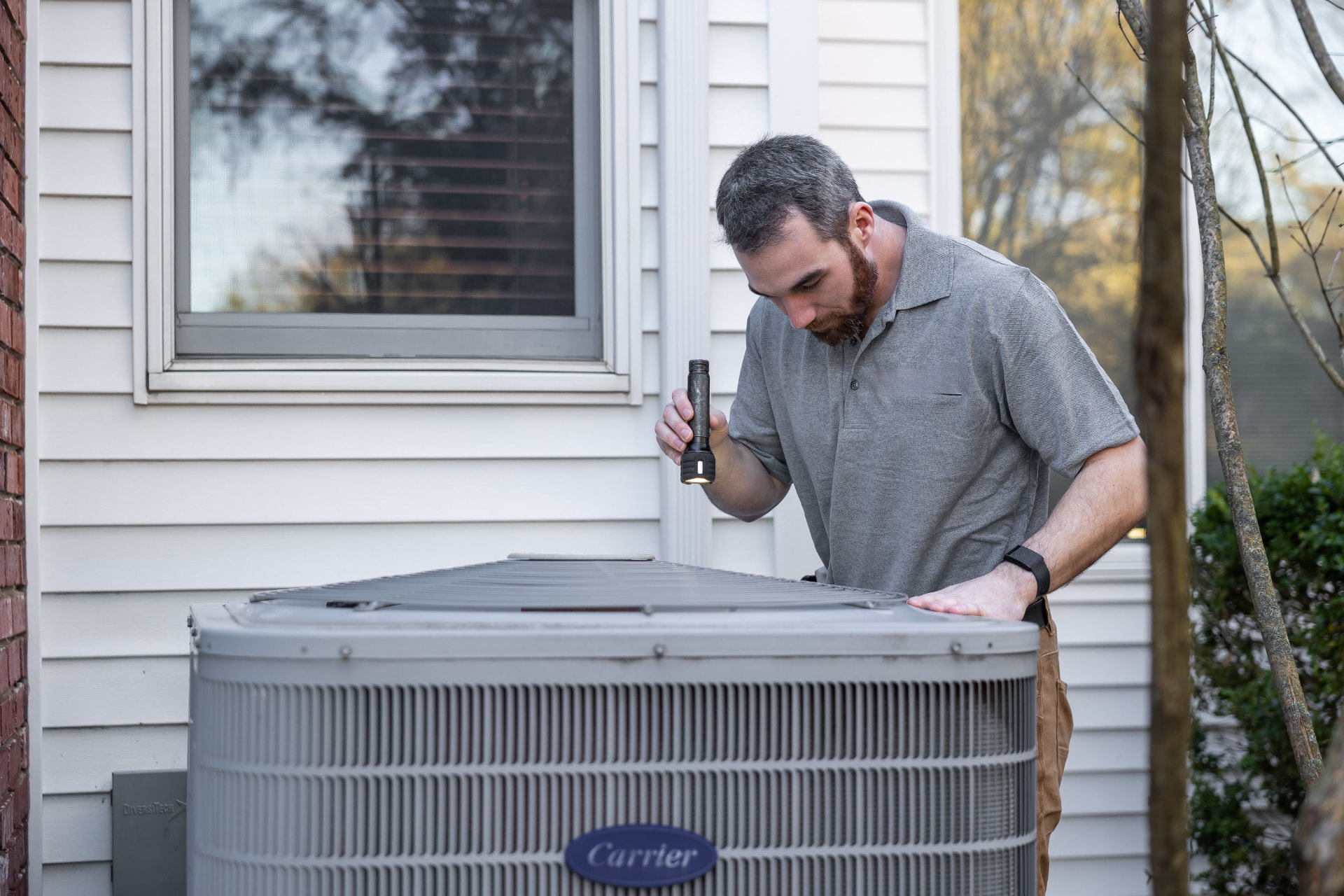
Two approaches to home comfort
A heat pump and a conventional heating-and-cooling arrangement can both support comfortable rooms. Their difference is mainly how they provide heat and how the equipment works together. Neither is automatically the best choice for every home. Climate, the building, available utilities, installation requirements, and comfort priorities all matter.
The phrase conventional HVAC can describe several combinations, such as an air conditioner paired with a fuel-burning furnace. Before comparing labels, identify the actual equipment under consideration. Different types of heat pumps and conventional systems have different capabilities, so broad claims about price or suitability can be misleading.
How a heat pump works
A heat pump moves heat rather than creating all of it directly. In cooling mode, it transfers heat from inside the home to outside, much like an air conditioner. In heating mode, it reverses that process and brings heat indoors from an outside source. Common air-source systems use outdoor air.
There is heat available in outdoor air even when it feels cold, but capacity and efficiency depend on outdoor conditions and the equipment design. Some installations use supplemental or backup heat. Ask how the proposed system handles the conditions relevant to your home, including colder periods and defrost operation.
How a conventional arrangement differs
A conventional air conditioner usually provides cooling, while a separate heating appliance supplies heat. A fuel-burning furnace produces heat through combustion and distributes it through the system; other arrangements use electric resistance or a boiler. The heating source and distribution method should be considered separately.
Each setup has its own maintenance and safety needs. Fuel-burning equipment requires attention to combustion, venting, and appropriate alarms. Heat pumps also require professional service for internal electrical and refrigerant work. Choosing one system does not remove the need for maintenance or competent installation.

Consider climate and comfort needs
Equipment performance should be assessed against local design conditions, not an average day alone. Cold-weather heat pump capabilities differ between models, and backup arrangements influence operation. Cooling demand, humidity, and how rooms are used also matter when choosing controls and capacity.
Comfort is more than a thermostat reading. Air distribution, insulation, drafts, and zoning can affect how either system feels. Some equipment operates for longer periods at a lower output, which may sound or feel different from an existing system. Ask what normal operation will look like rather than treating every difference as a fault.
Review installation requirements
A change in system type may involve more than swapping the outdoor unit. Electrical capacity, indoor equipment, ducts, controls, condensate drainage, and outdoor placement can affect the scope. Ductless options have different indoor-unit and routing considerations. A site assessment helps determine which options are practical.
Ask for an explanation of sizing and any required modifications. Existing ducts should not be assumed suitable without review. Installation quality influences performance, and efficiency ratings alone do not describe how equipment will operate in a particular home.
Compare options with clear assumptions
Operating costs depend on energy prices, weather, equipment performance, and household use. Neither system is always cheaper. Compare installation scope, expected operation, maintenance, actual warranty terms, and any proposed backup heat without relying on a universal savings claim.
For a non-emergency planning discussion, describe your existing equipment and comfort priorities through the contact page. A home-specific assessment can explain the trade-offs and identify suitable options. The goal is an informed fit for the building, not a winner based only on a category name.